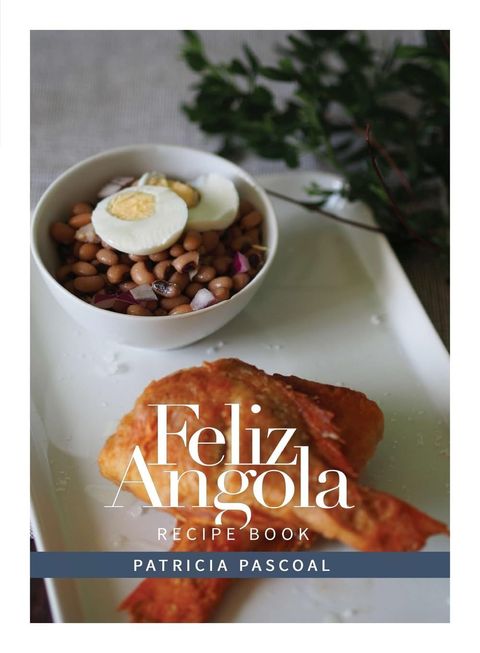
Feliz Angola Recipe Book
SynopsisPlot
As many of you know, our mothers are the best cooks in the world, and Ms. Pascoal is eager to share these fresh and fantastic recipes in her new book. These recipes showcase our innovative cooking style. Ms. Pascoal's heartfelt desire is to share these recipes with you, hoping you will appreciate them. The aim is to take you on a journey of discovery with "Feliz Angola." She invites everyone, not just the Angolan people but also those from all corners of the earth, to explore these delightful written words. Feliz Angola epitomises the joyous spirit of Angolans, shining through during social gatherings, traditional engagement proposals, post-church Sundays, and the festive Christmas season. This book seeks to convey the author's perception of Angolans as inherently happy people.
Story
About this book
Feliz Angola Recipe Book is a collection of Angolan recipes compiled by Patricia Pascoal. The book gathers dishes rooted in Angolan home cooking, with a focus on recipes that Pascoal describes as uncommon in other published sources. The title, meaning Happy Angola in Portuguese, reflects the author's view of Angolan culture as one shaped by warmth and communal celebration.
Pascoal connects the food in the book to specific social occasions in Angolan life: traditional engagement proposals, post-church Sunday meals, Christmas gatherings, and other events where families and communities come together around a table. The recipes are presented as part of a broader cooking tradition passed between generations, particularly through mothers and home kitchens. Angola's cuisine draws on ingredients and techniques influenced by both Central African and Portuguese culinary traditions, and the country's long Atlantic coastline contributes seafood and coastal flavors to its kitchen vocabulary.
The book is written with an open audience in mind, aiming to introduce Angolan dishes to readers regardless of their background or familiarity with the cuisine. Pascoal frames her recipes not only as instructions but as a way to share everyday Angolan food culture with a wider circle of cooks.