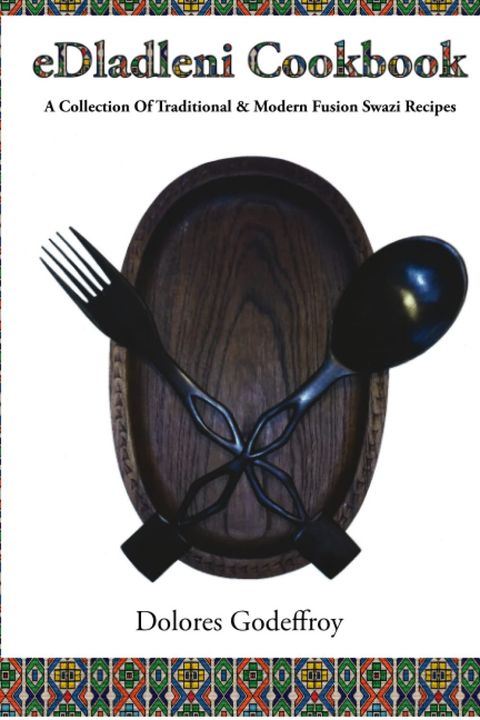
eDladleni Cookbook
SynopsisPlot
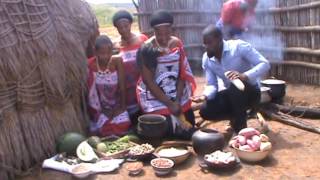
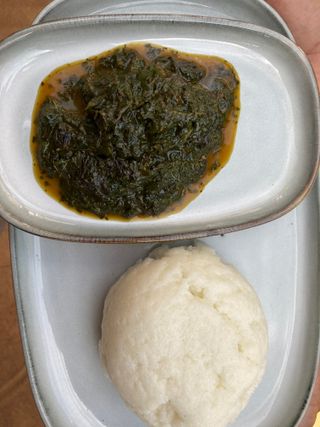
Dolores Godeffroy is an ardent food activist, a farmer, restaurateur, business owner, fighter, and visionary. Her Zulu mother’s dedication to indigenous foods was a strong influence in her current vision of a nation, indeed a continent, that can feed itself. A voice of reason in the stampede towards industrialised farming, reminding us that we already have the tools to put an end to hunger in Africa. This is a cookbook showcasing a collection of both traditional and modern fusion Swazi recipes. However, this is more than a cookbook. It is a tribute to the indigenous crops of eSwatini (traditional indigenous knowledge documents more than 150 edible leaves, roots, tubers, shoots and fruits surrounding us). A reminder that we can feed ourselves. That our land is capable of bounty.
Story
About this book
eDladleni Cookbook is a recipe collection rooted in the food traditions of eSwatini, the small Southern African kingdom formerly known as Swaziland. Author Dolores Godeffroy brings together both long-established Swazi dishes and newer fusion preparations, drawing on ingredients native to the region. Godeffroy grew up watching her Zulu mother work with indigenous foods, an experience that shaped her later career as a farmer, restaurateur, and food activist.
The book highlights edible plants that have sustained communities in eSwatini for generations. According to traditional indigenous knowledge referenced in the record, the country's landscape offers more than 150 varieties of edible leaves, roots, tubers, shoots, and fruits. Many of these ingredients grow locally without the inputs required by large-scale commercial agriculture. Godeffroy uses the cookbook as a way to document these crops and the recipes built around them, connecting practical cooking instructions to a broader argument about food self-sufficiency on the African continent.
The collection sits at the intersection of agriculture, culture, and daily nutrition. Rather than treating indigenous crops as historical curiosities, the recipes position them as working ingredients for present-day kitchens in eSwatini and beyond.