The Mountains Sing
SynopsisPlot
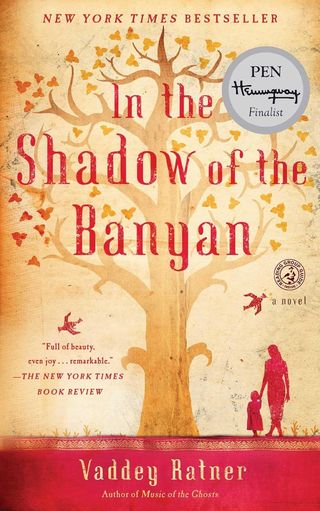
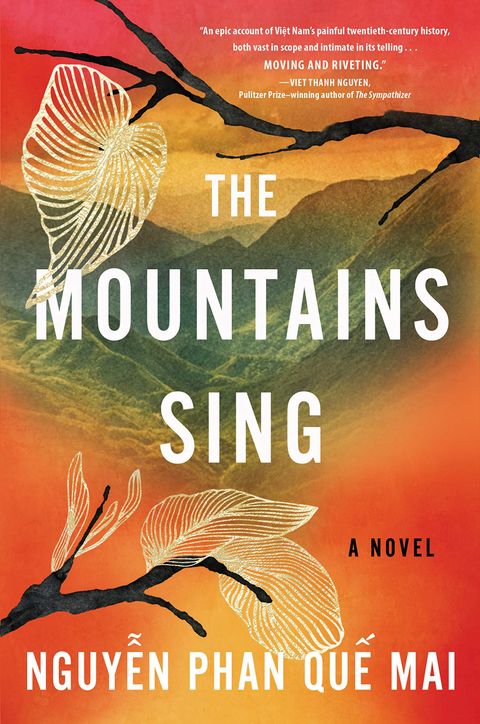
With the epic sweep of Min Jin Lee’s Pachinko or Yaa Gyasi’s Homegoing and the lyrical beauty of Vaddey Ratner’s In the Shadow of the Banyan, The Mountains Sing tells an enveloping, multigenerational tale of the Trần family, set against the backdrop of the Việt Nam War. Trần Diệu Lan, who was born in 1920, was forced to flee her family farm with her six children during the Land Reform as the Communist government rose in the North. Years later in Hà Nội, her young granddaughter, Hương, comes of age as her parents and uncles head off down the Hồ Chí Minh Trail to fight in a conflict that tore apart not just her beloved country, but also her family.
Story
About this book
The Mountains Sing follows the Trần family across several decades of conflict in Việt Nam, told through two voices. Trần Diệu Lan, born in 1920, narrates her experiences of the Land Reform period, when the Communist government consolidated power in the North and she was forced to abandon the family farm with her six children. Her granddaughter, Hương, grows up in Hà Nội during the war years, watching her parents and uncles leave one by one to travel the Hồ Chí Minh Trail as soldiers.
Nguyễn Phan Quế Mai, a Vietnamese poet and writer, sets the novel's events against a stretch of twentieth-century history that reshaped the country several times over. The story moves between the grandmother's earlier life and the granddaughter's childhood, linking the two through family memory, folk traditions, and the practical weight of absence. Each generation faces a different phase of upheaval, but the domestic details of meals, proverbs, and small acts of care hold the chapters together as firmly as the larger historical events.
The novel is written in English and draws on Vietnamese poetry, proverbs, and naming customs throughout. It presents the war primarily from within Vietnamese civilian life, a perspective that remains uncommon in English-language fiction about the conflict.