SynopsisPlot
Subtle yet rich descriptions of culture, society, and family life in Belize adorn Zee Edgell's beautifully narrated story of a short time in the life of 14-year-old Beka Lamb. Through flashbacks, points on politics and independence are animated, since the political struggles for independence in Belize reflect Beka's own developing maturity and need to assert herself. Two main features of this heartwarming story are Beka's penchant for lying and her relationship with her older friend Troycie, whose troubling choices lead her down a self-destructive path. The pride of winning an essay contest at her convent school releases Beka's grief over Troycie and empowers her to embrace the next phase of her life.
Story
About this book
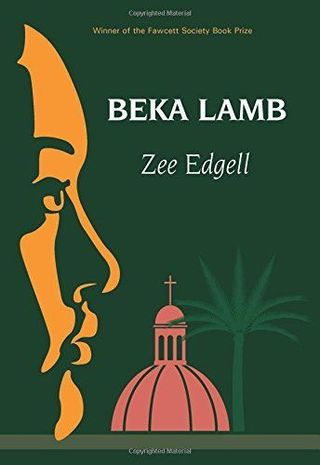
Beka Lamb, published in 1982, is widely recognized as the first novel by a Belizean author. Zee Edgell tells the story of fourteen-year-old Beka Lamb, a girl growing up in Belize City during a period when the country is pushing toward independence from British rule. The narrative moves between present events and flashbacks, linking the political atmosphere of the colony to Beka's own struggles at home and at her convent school. Among those struggles is a persistent habit of lying, which strains her family relationships and shapes how others see her.
Central to the novel is Beka's friendship with Toycie, an older girl whose life takes a difficult and damaging turn. Toycie's circumstances become a source of grief for Beka and a quiet measure of how social expectations in Belizean society bear down on young women in particular. Alongside this, Beka enters an essay competition at school, an effort that becomes a way of channeling her confusion and loss into something she can claim for herself. The book was awarded the Fawcett Society Book Prize, and it remains a significant work in Caribbean literature for its attention to the texture of daily life in a small Central American country on the edge of political change.