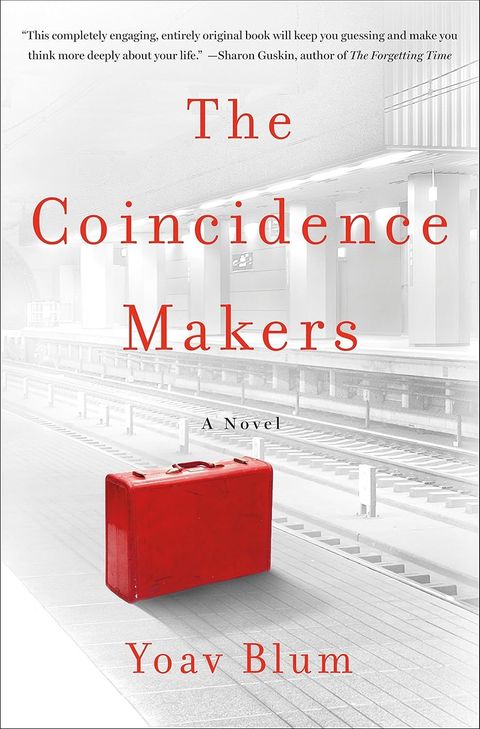
The Coincidence Makers
SynopsisPlot
What if the drink you just spilled, the train you just missed, or the lottery ticket you just found was not just a random occurrence? What if it’s all part of a bigger plan? What if there’s no such thing as a chance encounter? What if there are people we don’t know determining our destiny? And what if they are even planning the fate of the world? Enter the Coincidence Makers―Guy, Emily, and Eric―three seemingly ordinary people who work for a secret organization devoted to creating and carrying out coincidences. What the rest of the world sees as random occurrences, are, in fact, carefully orchestrated events designed to spark significant changes in the lives of their targets―scientists on the brink of breakthroughs, struggling artists starved for inspiration, loves to be, or just plain people like you and me…
Story
About this book
Guy, Emily, and Eric work for a secret organization whose purpose is to manufacture coincidences. A spilled drink, a missed train, a found lottery ticket: none of these are accidents. Each event is planned and carried out by trained agents who study techniques for staging situations that appear random but are designed to push ordinary people toward specific turning points. The three completed a specialized training course two years before the story begins, learning how to engineer encounters between future lovers, spark moments of creative inspiration, and set up the conditions for scientific breakthroughs.
When Guy receives a new and unusual assignment, his routine begins to unravel. A mysterious killer surfaces in town, and other hidden forces start to press against the edges of the organization's careful plans. The mission draws Guy, Emily, and Eric into questions they were not trained to answer, touching on fate, free will, and the nature of love.
Yoav Blum, an Israeli author, originally wrote the novel in Hebrew before it was translated into English. The story blends elements of speculative fiction with a premise that treats destiny as something constructed rather than discovered.