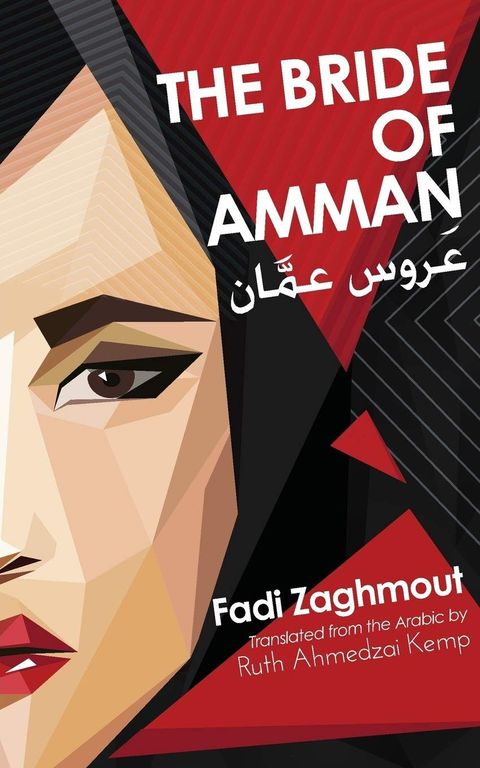
The Bride of Amman
SynopsisPlot
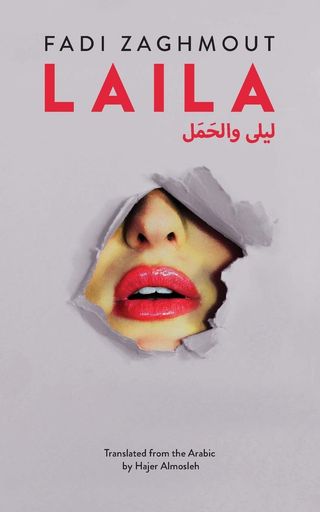
When Rana finds herself not only falling for a man of the wrong faith, but also getting into trouble with him, where can they go to escape? Can Hayat's secret liaisons really suppress the memories of her abusive father? When Ali is pressured by society's homophobia into a fake heterosexual marriage, how long can he maintain the illusion? And when spinsterhood and divorce spell social catastrophe, is living a lie truly the best option for Leila? What must she do to avoid reaching her 'expiry date' at the age thirty like her sister Salma, Jordan's secret blogger and a self-confessed spinster with a plot up her sleeve to defy her city's prejudices? These five young lives come together and come apart in ways that are distinctly modern yet as unique and timeless as Amman itself.
Story
About this book
The Bride of Amman follows five young people in Jordan's capital whose private lives collide with social expectations. Rana falls for a man whose faith differs from hers, a situation that grows more urgent when their relationship leads to consequences neither can easily manage. Ali, a gay man, faces pressure to enter a heterosexual marriage he knows he cannot sustain. Hayat pursues hidden relationships while carrying the burden of an abusive childhood. Each character navigates a version of the same problem: the gap between who they are and what their community demands they become.
Leila and her sister Salma round out the group. Leila dreads the social stigma attached to divorce, while Salma, unmarried and past the age her society considers acceptable, writes an anonymous blog pushing back against the city's conventions. The novel was originally published in Arabic by Fadi Zaghmout and became a bestseller, generating significant controversy in its home region. Its English translation brought these characters and their tensions to a wider audience.
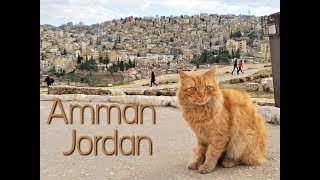
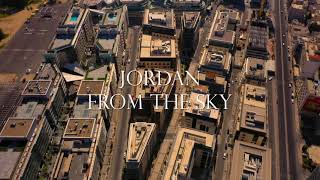
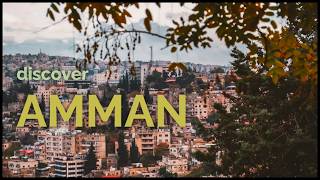
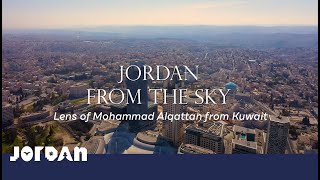
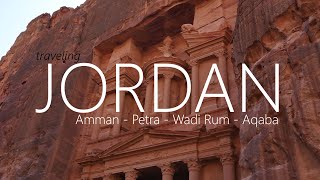
The story is set in contemporary Amman, a city where ancient hilltop neighborhoods sit alongside modern commercial districts. Zaghmout uses this landscape to ground the characters' conflicts in a specific, recognizable place rather than a generalized Middle Eastern backdrop.