Kuwait Transformed: A History of Oil and Urban Life
SynopsisPlot
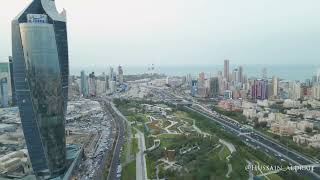
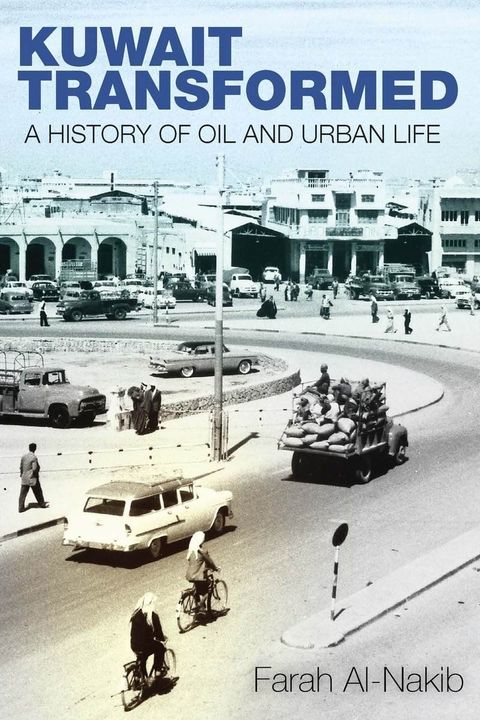
As the first Gulf city to experience oil urbanization, Kuwait City's transformation in the mid-twentieth century inaugurated a now-familiar regional narrative: a small traditional town of mudbrick courtyard houses and plentiful foot traffic transformed into a modern city with marble-fronted buildings, vast suburbs, and wide highways. In Kuwait Transformed, Farah Al-Nakib connects the city's past and present, from its settlement in 1716 to the twenty-first century, through the bridge of oil discovery. She traces the relationships between the urban landscape, patterns and practices of everyday life, and social behaviors and relations in Kuwait.
Story
About this book
Kuwait City was among the first Gulf cities to undergo a dramatic physical transformation after the discovery of oil. Farah Al-Nakib traces this change from the city's founding as a settlement in 1716 through to the twenty-first century, examining how a compact town of mudbrick courtyard houses and walkable streets became a sprawling modern metropolis of highways, suburbs, and marble-fronted towers. The book treats oil not simply as an economic event but as a force that reshaped how people moved through, lived in, and related to their city.
Al-Nakib connects urban planning decisions to shifts in social life. She argues that decades of suburbanization and privatization broke apart patterns of daily interaction that had sustained a relatively open and mixed society. As residents moved into separated suburban districts and public space gave way to private development, the physical city itself began to sort people by nationality, class, and sect. The result, in her account, is a growing insularity and xenophobia in Kuwaiti social relations.
The book draws on the history of architecture, planning policy, and everyday routines to show how the built environment shapes social behavior over time. Kuwait City serves here as a specific case study, but many of the processes Al-Nakib describes have since repeated across the wider Gulf region.